 Reviews



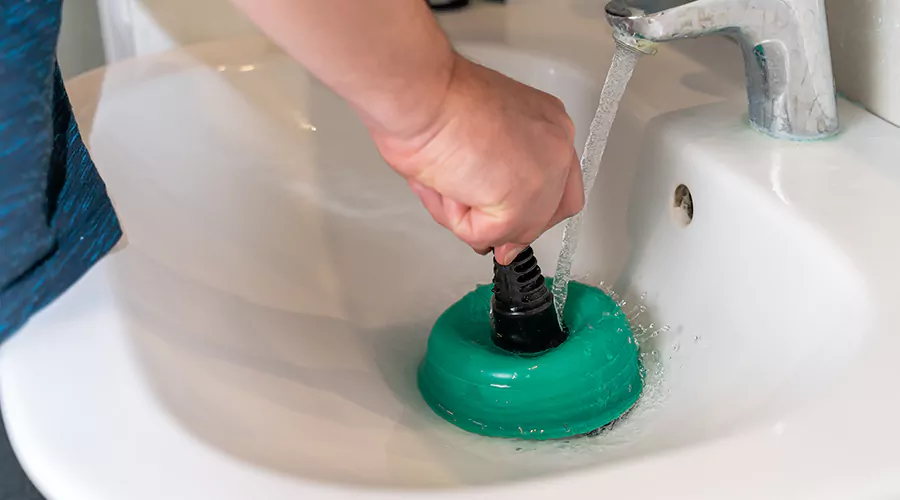
You can often unclog a sink drain in 30 to 45 minutes with basic tools that cost $0 to $50. Professional drain cleaning averages about $246 in 2026 and usually ranges from $147 to $352. Start with visible debris before moving to the P-trap or a drain snake for effective drain unblocking.
Kitchen and bathroom sinks clog for different reasons. Kitchen drains collect grease and food residue. Bathroom drains are more likely to collect hair and grooming residue.
The safest approach is to identify the likely clog type and work deeper into the drain only when each simpler method fails.
What Causes a Sink Drain to Clog?
Sink drains clog when solid material collects faster than water can carry it through the pipe. Kitchen sinks often develop grease and food buildup. Bathroom sinks more often collect hair and soap residue around the stopper or inside the trap.
Common causes include:
- Hair wrapped around a bathroom sink stopper.
- Soap residue attached to existing hair buildup.
- Cooking grease coating a kitchen drain pipe.
- Food particles trapped inside a kitchen P-trap.
- Small objects that accidentally enter the drain.
- Mineral buildup that reduces the open pipe diameter.
The supplied keyword clogged sink drain describes the final symptom rather than the material causing it. Finding the material first helps you choose the correct clearing method.
How Does a Sink Clog Get Worse?
A sink clog usually develops from slow drainage into standing water. The remaining opening gets smaller as more debris attaches to existing buildup. Treating the drain while water still moves is usually easier and less expensive than waiting for a complete blockage.
| Clog Stage | What You Notice | Likely Condition | 2026 Cost Exposure |
|---|---|---|---|
| Early | Slightly slow water | Light buildup | Often DIY |
| Partial | Water pools briefly | Growing obstruction | $0 to $50 DIY |
| Heavy | Standing water | Dense clog | $147 to $352 |
| Deeper | Several fixtures slow | Branch or main drain problem | Can cost more |
Professional drain cleaning costs $147 to $352 in 2026 with an average near $246. Sink clearing is usually cheaper when the blockage remains close to the fixture.
What Are the Signs of a Clogged Sink Drain?
A developing sink clog usually changes drainage speed before water stops completely. Watch how quickly the basin empties and whether the problem remains limited to one fixture. Several affected drains suggest that the restriction may sit farther into the plumbing system.
- Water takes noticeably longer to leave the basin.
- A puddle forms while the faucet is running.
- The sink gurgles during drainage.
- Water rises before slowly dropping.
- An unpleasant odor comes from the drain.
- Plunging improves drainage only briefly.
- The P-trap repeatedly collects debris.
- Another fixture begins draining slowly.
- Water comes back through a second sink bowl.
- Standing water no longer moves after several minutes.
A single slow sink usually points toward a fixture-level problem. Several slow drains deserve a wider plumbing check.
What Should You Do Before Unclogging the Drain?
Remove most standing water and inspect the drain opening before using stronger tools. Visible material should be taken out rather than pushed deeper. Wear gloves during the work and avoid mechanical drain cleaning when unknown chemical products are already sitting in the water.
Before starting:
- Remove standing water with a small container when needed.
- Take out the sink stopper or strainer.
- Pull away visible hair or food.
- Clear objects from beneath the sink.
- Place a bucket below the P-trap before opening any connection.
- Wear gloves and eye protection.
If chemical drain cleaner has already been used, avoid opening the trap or inserting a snake until the chemical exposure risk has been addressed.
How Do You Unclog a Sink Drain Step by Step?
The best sequence is to begin at the drain opening and work downstream. Remove visible debris first. Plunge the sink next. Clean the P-trap if needed. Use a manual drain snake only when the blockage remains beyond the trap.
1. Remove the Stopper or Strainer
- Bathroom sinks often collect hair around a pop-up stopper. Kitchen strainers can trap food close to the opening.
- Remove the part carefully and clean all visible debris.
- Test the sink before moving to the next method.
2. Use a Sink Plunger
A flat cup plunger creates pressure changes that can move a soft blockage.
- Add enough water to cover the plunger rim.
- Seal a bathroom overflow opening with a wet cloth.
- Seal the second bowl when working on a double sink.
- Center the plunger over the drain.
- Use controlled push and pull strokes.
- Check the drainage after about 20 to 30 seconds.
A tight seal matters more than extreme force.
3. Clean the P-Trap
The curved pipe beneath the sink can collect debris.
- Place a bucket underneath.
- Loosen the slip nuts.
- Lower the trap carefully.
- Empty the contents into the bucket.
- Clean the inside.
- Inspect the washers.
- Reassemble the connections.
- Test for leaks.
If the trap contains the clog, normal drainage may return immediately after cleaning.
4. Snake the Wall-Side Drain
- A clean P-trap with continued backup means the obstruction is probably farther downstream.
- Remove the trap again and insert a hand auger into the pipe entering the wall. Advance the cable slowly while rotating it.
- The supplied term snaking a drain fits this deeper clearing method.
- Avoid forcing the cable through unchanging resistance. A pipe bend can feel similar to a blockage.
Can Baking Soda and Vinegar Clear a Sink Drain?
Baking soda and vinegar can help with minor residue but should not replace physical removal when the sink contains a dense hair or food clog. Current 2026 guidance places the material cost below $5, making it a low-cost option for light buildup.
Use the method only when no commercial drain chemical is present.
A reasonable sequence is:
- Remove visible debris.
- Add baking soda.
- Follow with vinegar.
- Allow the reaction to settle.
- Rinse with hot water that is appropriate for the piping.
Never mix household cleaning mixtures with commercial drain opener.
How Do You Know the Sink Drain Is Clear?
A clear sink drain should handle normal faucet flow and a larger basin release without creating standing water. Testing with a partly filled basin gives a better result than watching a small stream because a partial clog can pass low volumes.
Test the drain this way:
- Run a small amount of water.
- Check all connections for leaks.
- Close the stopper.
- Fill the basin about halfway.
- Release the stopper.
- Watch how quickly the water leaves.
- Check beneath the sink again.
The sink should empty quickly without backing up into another bowl.
When Should You Call a Professional?
Professional drain cleaning is reasonable when a hand snake cannot restore flow or several fixtures become slow together. Those symptoms can indicate a restriction beyond the sink branch. Professional drain cleaning averages $246 in 2026 and ranges from $147 to $352.
Professional diagnosis makes sense when:
- The P-trap is clear but the sink remains blocked.
- A manual snake cannot restore flow.
- The clog returns within a few days.
- Several drains are slow at the same time.
- Wastewater backs into another fixture.
- Accessible drain piping is cracked or leaking.
Longer equipment can reach obstructions beyond the practical range of a small hand auger.
How Can You Keep a Sink Drain From Clogging Again?
Prevention depends on the type of sink. Bathroom drains need regular hair removal. Kitchen drains need protection from grease and food. Cleaning visible buildup before drainage changes can prevent a small restriction from developing into a full blockage.
For regular maintenance:
- Pull hair from bathroom stoppers before it moves deeper.
- Use a kitchen sink strainer for food residue.
- Keep cooking grease out of kitchen drains.
- Clean visible drain residue regularly.
- Check the P-trap when recurring debris appears.
- Respond as soon as the sink begins draining more slowly.
Early maintenance costs very little compared with the $147 to $352 professional drain-cleaning range.
Conclusion
To unclog a sink drain, begin with the material closest to the opening and work downstream only when necessary. Clean the stopper or strainer first. Plunge the sink before opening the P-trap. Use a hand snake when the trap is clear but water still will not drain normally. If several fixtures become slow or the blockage keeps returning, professional diagnosis may be appropriate. Check your sink drainage this week.
Frequently Asked Questions
Can a sink clog clear itself?
A small soft buildup can shift or break apart. Dense hair or grease usually remains until it is physically removed.
Can hot water clear a sink drain?
Hot water can help with light residue. It is less effective against a dense physical blockage.
Why does my sink clog again after plunging?
The plunger may have opened only a narrow path through the obstruction. Material can remain along the drain.
Can I use a drain snake after a chemical cleaner?
Avoid snaking when unknown chemical liquid remains inside the drain because the cable can splash it back toward you.
Why are several sinks clogged at once?
A restriction may sit farther into shared drainage piping rather than directly beneath one sink.